Expert Tips for Eco-Friendly Kitchen Renovations in DC


Embrace Sustainable Materials
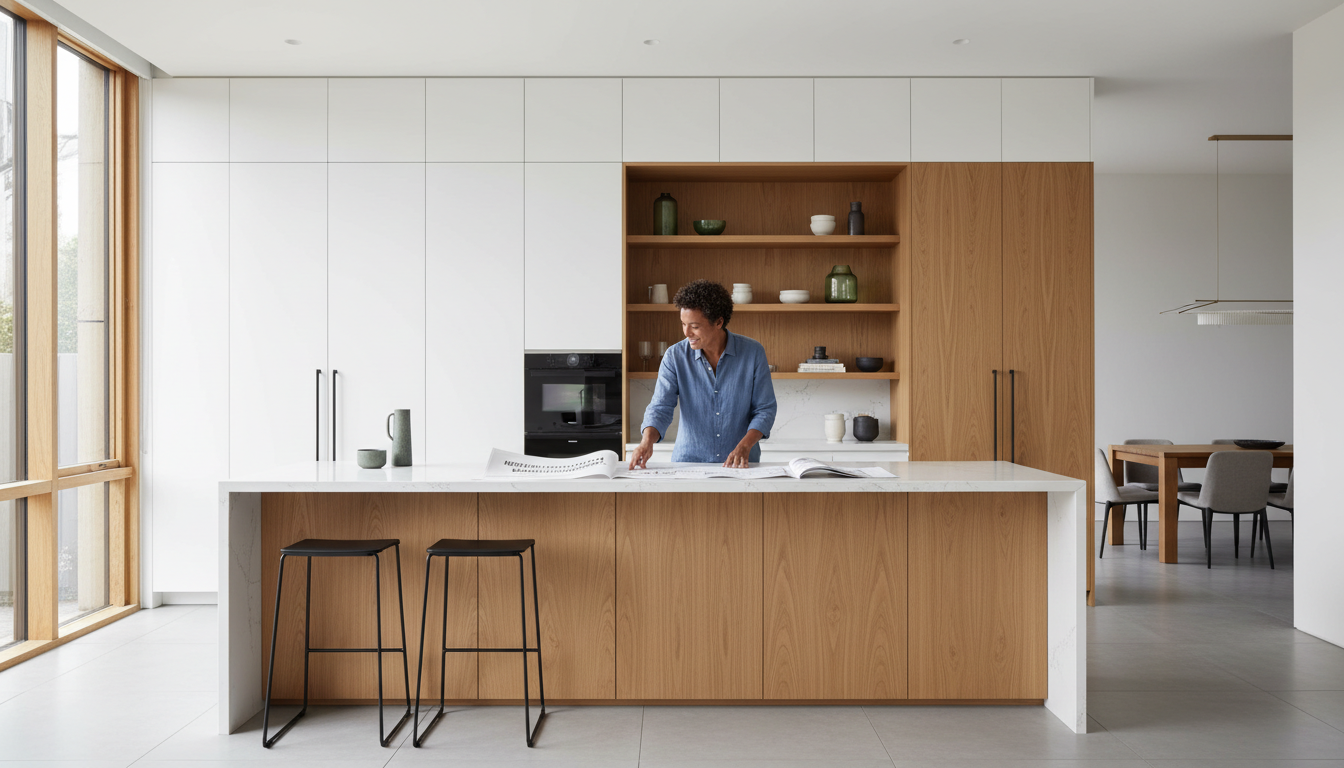
One of the most impactful ways to create an eco-friendly kitchen is by choosing sustainable materials. Opt for cabinets made from bamboo or reclaimed wood, which are both renewable resources. Not only do they reduce environmental impact, but they also add a unique aesthetic to your kitchen.
Consider countertops crafted from recycled materials. Options like recycled glass or paper composites provide durability and style while minimizing waste. These materials often come in a variety of colors and patterns, allowing for customization that suits your personal taste.

Energy-Efficient Appliances
Replacing old appliances with energy-efficient models is a key step in reducing your kitchen's carbon footprint. Look for appliances with the ENERGY STAR label, which signifies they meet strict energy efficiency guidelines. This not only helps the environment but also reduces your utility bills.
When selecting a refrigerator, oven, or dishwasher, consider the size and functionality that best suits your household needs. Avoid oversized appliances that consume more energy than necessary. Smart appliances with energy-saving modes are excellent choices for eco-conscious homeowners.
Eco-Friendly Lighting Solutions
Lighting is another area where you can make sustainable choices. Replace incandescent bulbs with LED or CFL lights, which use significantly less energy and last longer. These lights are available in various brightness levels and colors to match your kitchen's ambiance.
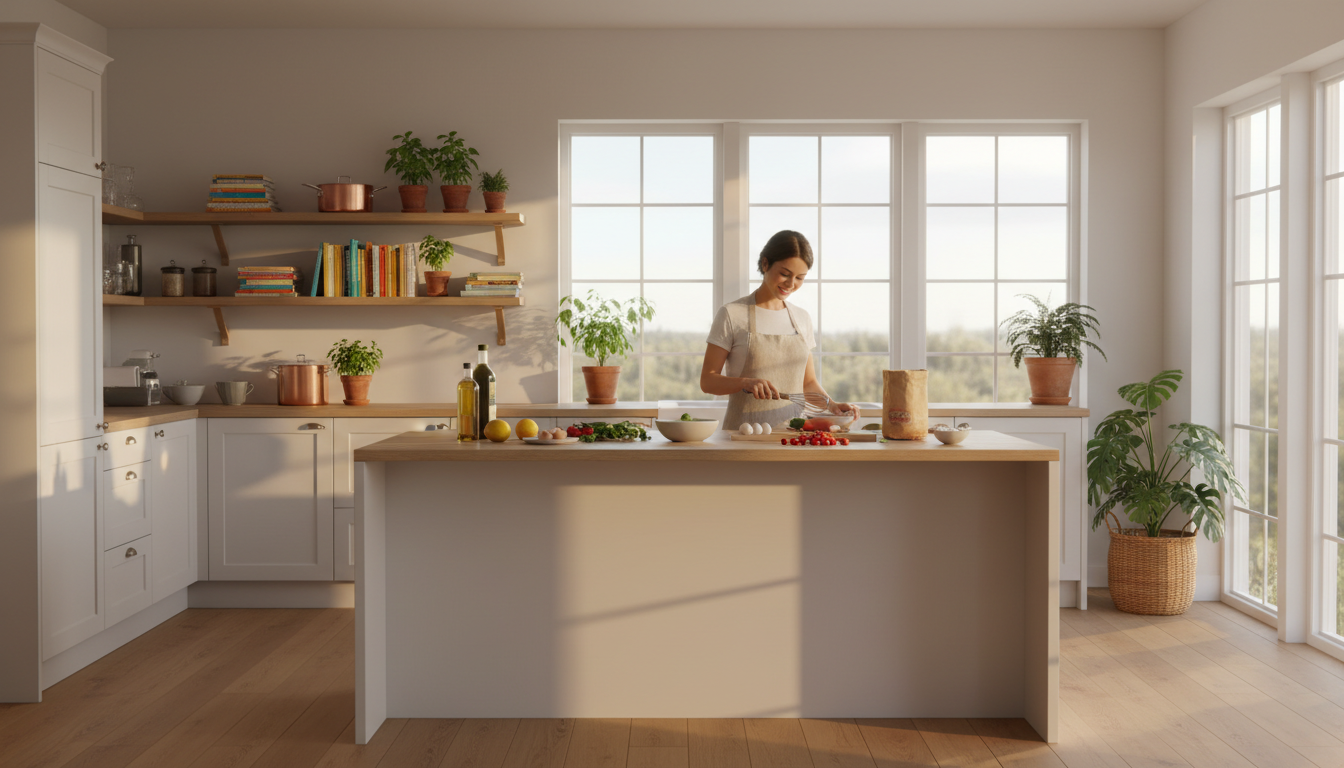
Maximize natural light by installing larger windows or skylights. This not only reduces the need for artificial lighting during the day but also creates a warm and inviting atmosphere. Consider using light-colored paints and reflective surfaces to enhance natural light flow.
Water Conservation Tips
Water conservation is crucial in an eco-friendly kitchen renovation. Install low-flow faucets and aerators to reduce water usage without sacrificing performance. These fixtures are designed to minimize water waste while maintaining adequate pressure.
Consider integrating a smart water monitoring system to track usage and identify leaks early. Fixing leaks promptly can save both water and money. Additionally, use eco-friendly dishwashers that consume less water per cycle.
Incorporate Recycling and Composting
Integrating recycling and composting stations into your kitchen design encourages sustainable habits. Set up designated bins for recyclables and compostable waste. Ensure they are easily accessible to make sorting convenient for everyone in the household.
Composting not only reduces landfill waste but also provides nutrient-rich soil for gardening. Consider investing in a countertop compost bin for easy collection of kitchen scraps, which can then be transferred to an outdoor compost pile or bin.

Choose Non-Toxic Finishes
When selecting paints, stains, and sealants, opt for products labeled as low-VOC (volatile organic compounds). These finishes release fewer pollutants, improving indoor air quality and reducing health risks. Non-toxic finishes are available in a wide range of colors and hues.
Using water-based adhesives and finishes is another way to minimize the release of harmful chemicals. These products are not only safer for your family but also better for the environment during manufacturing and application.
Plan for Longevity and Flexibility
An eco-friendly kitchen is one that stands the test of time. Choose classic designs and durable materials that won't need frequent updates or replacements. This reduces waste and conserves resources over the long term.
Design your kitchen layout with flexibility in mind, allowing for future modifications without major renovations. Modular components and adaptable storage solutions can accommodate changing needs and preferences.