Navigating DC Regulations for Your Kitchen Renovation


Renovating your kitchen in Washington, DC, can be an exciting project, but it comes with its own set of challenges, especially when it comes to understanding the local regulations. Navigating these rules is crucial to ensure your renovation goes smoothly and without legal hiccups.
Understanding Permits
Before you start any renovation work, it's essential to know if you need a permit. In DC, most kitchen renovations require a building permit. This includes structural changes, electrical work, plumbing, and even some cosmetic updates. Obtaining the correct permits ensures that your renovation is up to code and safe.
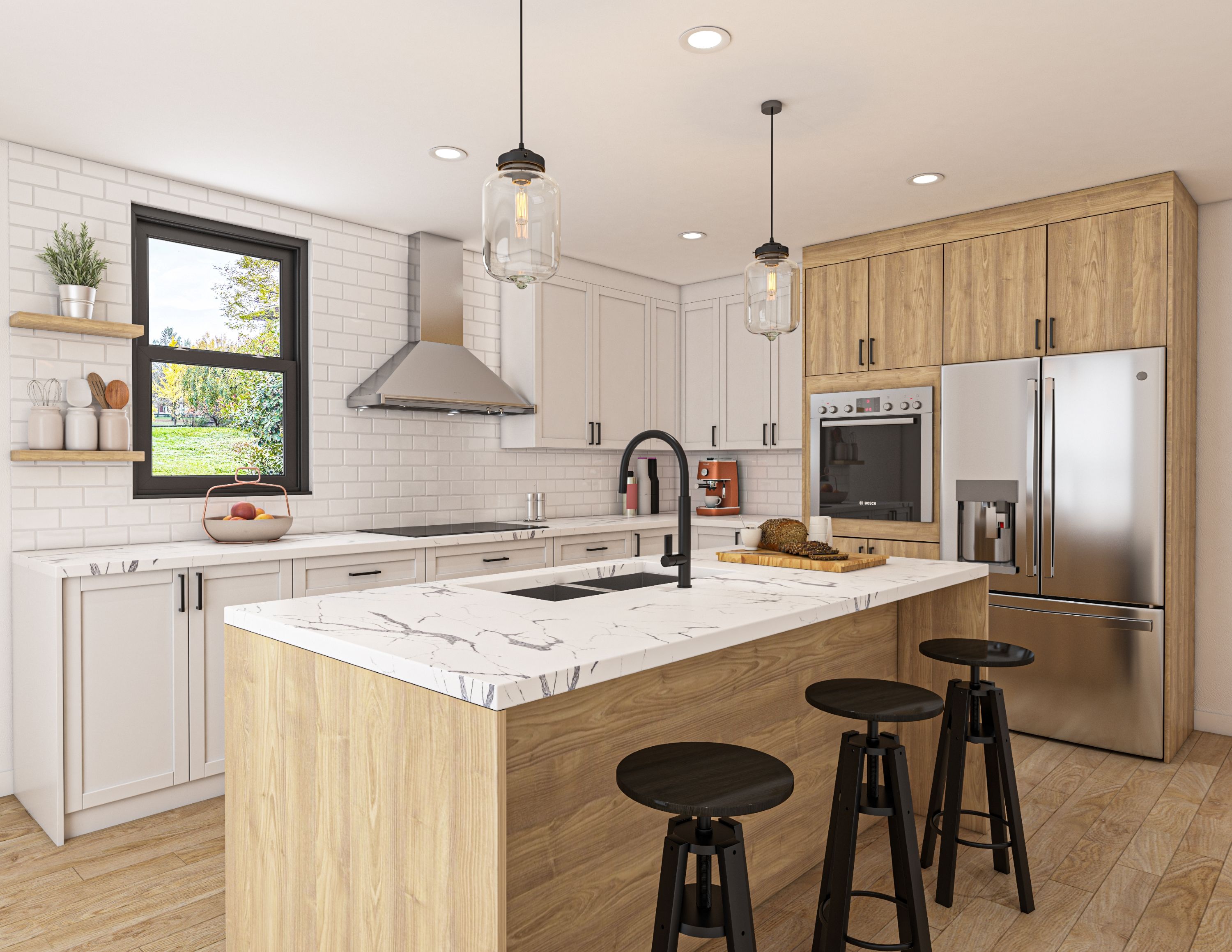
To apply for a permit, you’ll need to submit detailed plans of your renovation. This includes architectural drawings and a description of the work. It's advisable to work with a licensed professional who can help ensure your plans meet all necessary regulations.
Why Permits Matter
Permits are not just a bureaucratic hurdle; they are crucial for safety and legality. They ensure the work complies with local building codes, which is vital for the safety of your home and its future resale value. Unpermitted work can lead to fines and complications when selling your property.
Moreover, renovations without permits might void your homeowner’s insurance. In the event of an accident or damage, your claim could be denied, leaving you financially liable.
Historic District Considerations
If your home is in one of DC’s many historic districts, additional regulations may apply. Renovations in these areas often require approval from the Historic Preservation Review Board. This ensures that changes are in line with the historic character of the neighborhood.

It's important to research whether your property falls within a historic district before planning your renovation. The approval process can be more stringent and time-consuming, so plan accordingly.
Working with Professionals
Given the complexity of DC regulations, working with experienced professionals is highly recommended. Architects, contractors, and project managers familiar with local codes can guide you through the process efficiently.
- Architects can help design plans that comply with regulations.
- Contractors ensure the work is done according to code.
- Project managers can coordinate the entire process, including permit applications.
Environmental and Energy Codes
DC is committed to sustainability, and there are specific environmental and energy codes that your renovation must meet. The Green Building Act and the Clean Energy DC Omnibus Act are examples of regulations that may affect your project.

Incorporating energy-efficient appliances and sustainable materials can not only help meet these standards but also reduce your long-term utility costs. Be sure to discuss these options with your contractor.
Final Inspections
After the renovation is complete, a final inspection is typically required to ensure all work meets the approved plans and local codes. Passing this inspection is crucial for the legality and safety of your project.
Make sure to schedule this inspection ahead of time to avoid delays. Once your renovation passes the inspection, you can confidently enjoy your new kitchen, knowing it’s safe and compliant.